

Senior engineers in your sprints within five days
You're a scale-up or agency with a product or client work in market and more roadmap than people. Engineers join your team full-time, work in your tools and report to your lead.
Add senior engineers without a four-month hiring round
A local senior hire takes three to four months, and good candidates often have other offers by the second interview. Our engineers are already assessed, so you review their scorecards and interview the ones you want.
Embedded in your team
Engineers report to your lead, work in your tools and join your stand-ups, with direct access and no coordinator in between.
Dedicated team
Your core team stays on the main product while a market expansion or new workstream needs picking up. A dedicated Miyagami team builds it alongside them, on your stack and your standards.
Agency overflow
Your overflow capacity can grow into a standing team over time. The engineers have worked agency-side and know what a client demo means.
What we don't do: We don't do part-time placements or one-month engagements. The smallest engagement is one engineer, full-time, for three months.
Hire within five days of your brief
You send a short brief or book thirty minutes. Within three working days you see named engineers with both scorecards, you only meet the ones you want to, and you can hire within five.
Start nowDay 0
Brief
You share roles, stack, team and timeline through a short form or a thirty-minute call.
Day 3
Shortlist
You get named engineers and both scorecards before you meet them.
Day 5
Hire
You sign one agreement and the engineer starts on the date you agree, full-time in your tools, your process and your sprints.
Month 3+
Keep, add or stop
After the three-month minimum, you decide how the team continues. If an engineer is the wrong fit, we replace them at our cost.
Cost against a senior local hire
You can pick your country and team size, and the full breakdown is on the pricing page.
 NetherlandsEUR
 United KingdomGBP
 GermanyEUR
 SwedenSEK
 BelgiumEUR
 IrelandEUR
 FranceEUR
 DenmarkDKK
 SwitzerlandCHF
 United StatesUSD
 CanadaCAD
 AustraliaAUD
Hiring locally in United States
- 4 months on average to hire
- Recruitment, payroll and compliance on you
Hiring with Miyagami
- Hire within five days, contracts and payroll handled
- Wrong fit: we replace at our cost
Work that looks like yours
These two builds are closest to what scale-ups and teams usually ask us for.


Content integrity in the age of generative AI
An AI detection model fine-tuned and integrated into an existing pipeline that handles a very large daily upload volume.
Read the case study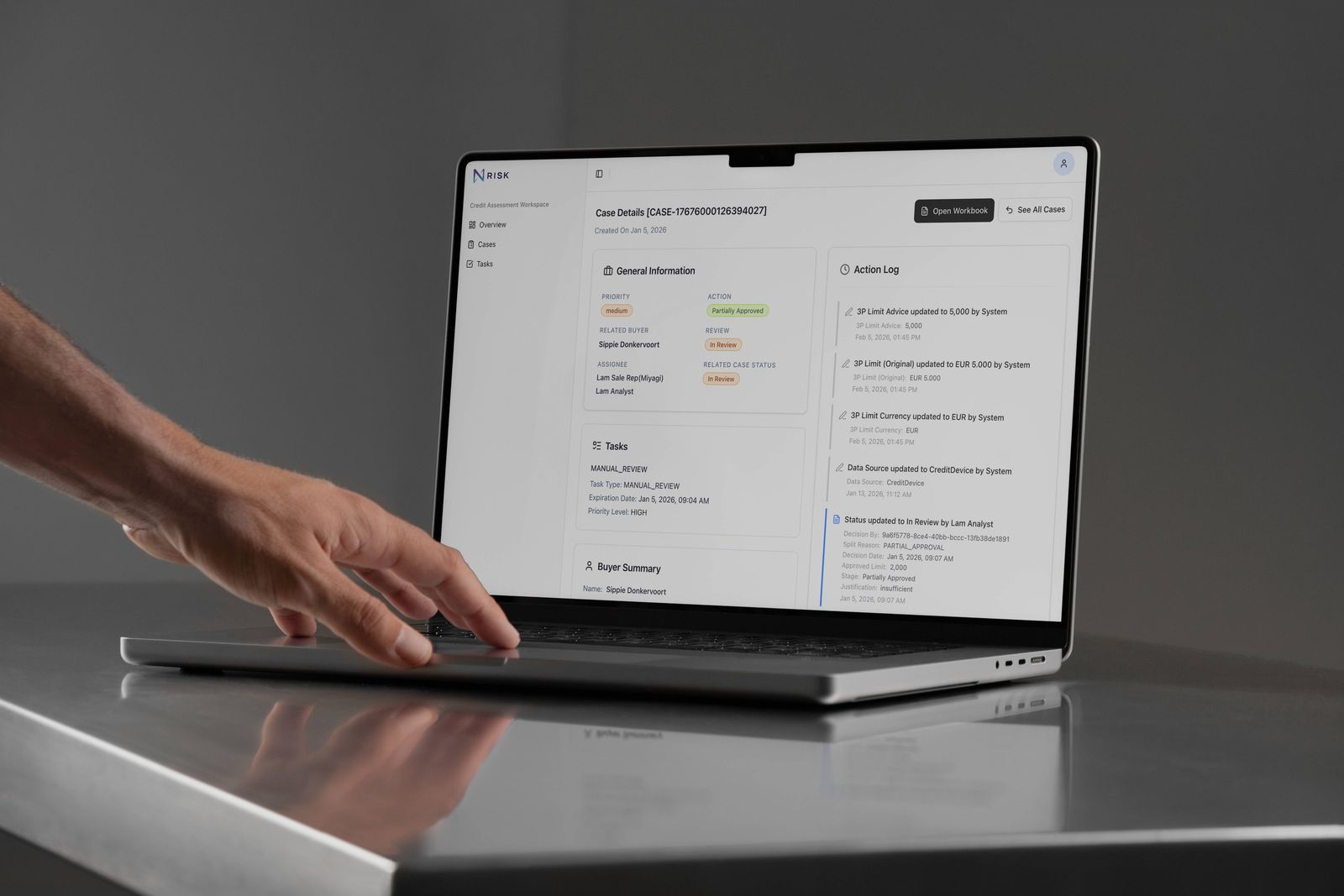

A multitenant credit risk platform from zero
A multitenant architecture with pluggable data-provider connections, built so the product can grow into new domains.
Read the case studyDo the engineers work in our tools and sprints?
Yes. They join your stand-ups, your repositories and your review process, and report to your lead.
What is the difference between embedded and dedicated?
Engineers embedded in your team join your existing team and report to your lead, which suits most scale-ups and enterprise teams. A dedicated team is a group of our engineers working together on a product or workstream you own, and a hybrid with some of your own people is possible too.
What's the smallest engagement?
It's one engineer, full-time, with a three-month minimum.
Get a shortlist within three days
You share the roles and the stack in a short form or a thirty-minute call. Within three working days you get named senior engineers to review, each with both scorecards, and you can hire within five.
 ISO 27001
Certified